
Warehouse Robots Never Sleep—Can Their Bearings Keep Up?
Walk into a modern warehouse in 2026, and you might notice something unusual: there are fewer people than ever before.
Instead, hundreds of autonomous mobile robots (AMRs), automated guided vehicles (AGVs), robotic arms, conveyor systems, and sorting machines glide across the floor with astonishing precision. They don't ask for coffee breaks. They don't call in sick. And unlike humans, they can work through the night without complaint.
From e-commerce giants processing millions of orders to pharmaceutical distribution centers shipping temperature-sensitive products, warehouse automation has become the backbone of global supply chains.
But there is one question that rarely makes headlines:
If warehouse robots never sleep, can their bearings keep up?
Behind every wheel rotation, conveyor movement, lifting mechanism, and robotic joint lies a small but critical component—the bearing. It may be one of the least visible parts of an automated warehouse, yet it often determines whether operations continue smoothly or come to a sudden halt.
In an era where a single hour of warehouse downtime can cost thousands of dollars, bearings have quietly become one of the most important technologies in logistics automation.
Why Warehouses Are Running 24/7
The pressure on warehouses has never been greater.
Consumers now expect:
- Same-day delivery
- Real-time inventory visibility
- Faster returns processing
- 24-hour order fulfillment
- Error-free shipments
As a result, companies are investing heavily in automation. According to industry reports, the global warehouse automation market continues to expand rapidly in 2026, driven by labor shortages, rising operating costs, and increasing customer expectations.
Today's smart warehouse may include:
- Autonomous Mobile Robots (AMRs)
- Automated Guided Vehicles (AGVs)
- High-speed sortation systems
- Robotic picking arms
- Automated storage and retrieval systems (AS/RS)
- Conveyor networks operating continuously
Many of these systems are expected to operate more than 20 hours per day, with some facilities approaching true 24/7 operation.
Humans can rotate shifts.
Machines cannot.
Every moving component experiences wear, fatigue, and heat accumulation over time. Bearings, in particular, face a relentless workload.
The Hidden Workload of Warehouse Bearings
Imagine a warehouse robot traveling 15 kilometers every day.
Now multiply that by:
- 365 days per year
- Hundreds of robots
- Multiple wheel assemblies
- Continuous acceleration and braking
A single bearing may perform millions of revolutions annually.
Warehouse bearings face challenges including:
Continuous Operation
Unlike bearings used in occasional applications, warehouse robot bearings are under near-constant motion.
Frequent Start-Stop Cycles
AMRs rarely move at a constant speed. They accelerate, stop, turn, and reverse thousands of times daily.
Heavy Loads
Robots transporting pallets can carry hundreds of kilograms, placing significant stress on wheel bearings.
Dust and Contamination
Even the cleanest warehouse contains:
- Cardboard fibers
- Plastic particles
- Dust
- Moisture
- Packaging debris
Contamination remains one of the leading causes of premature bearing failure.
Noise Requirements
Modern warehouses increasingly operate near urban areas, making low-noise equipment a priority.
The result?
Warehouse bearings must deliver durability, precision, quiet operation, and minimal maintenance simultaneously.
That is no small task.
Why Bearing Failure Is More Expensive Than Ever
Many people assume bearings are inexpensive components.
Technically, that's true.
Operationally, it couldn't be further from the truth.
Consider this scenario:
An AGV bearing fails during peak season.
The consequences may include:
- Robot shutdown.
- Delayed order fulfillment.
- Workflow interruptions.
- Technician dispatch.
- Potential damage to adjacent components.
- Customer delivery delays.
Suddenly, a bearing costing less than a meal has caused thousands of dollars in losses.
Warehouse managers are beginning to realize an important truth:
The cheapest bearing is rarely the least expensive option.
In 2026, uptime is currency.
Every minute matters.
What Bearings Do Warehouse Robots Actually Use?
Different warehouse systems require different bearing solutions.
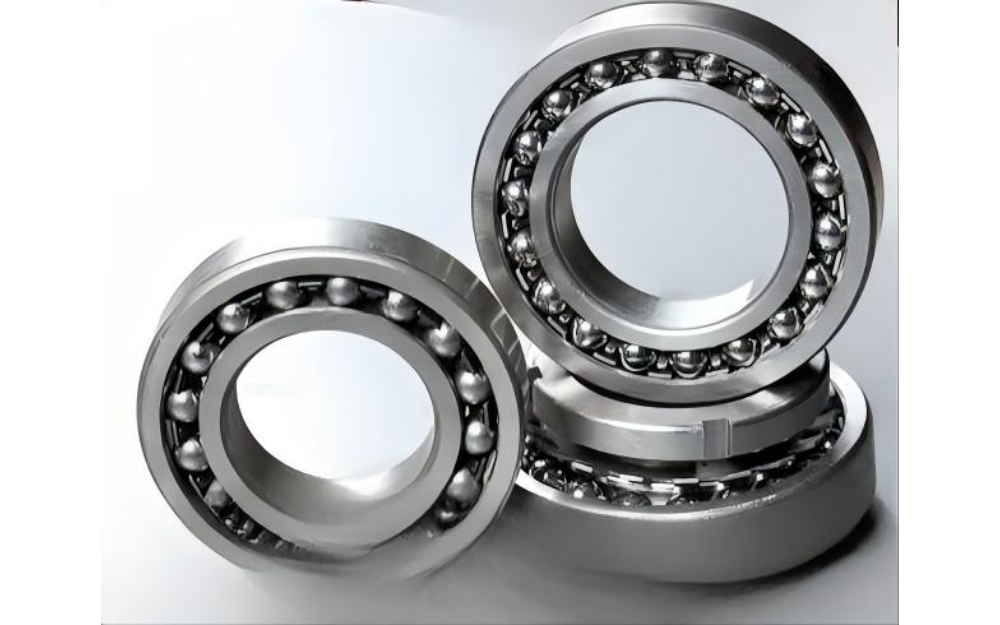
Deep Groove Ball Bearings
These remain the most common choice due to:
- High speed capability
- Low friction
- Cost effectiveness
- Versatility
Applications include:
- Robot wheels
- Conveyor rollers
- Electric motors
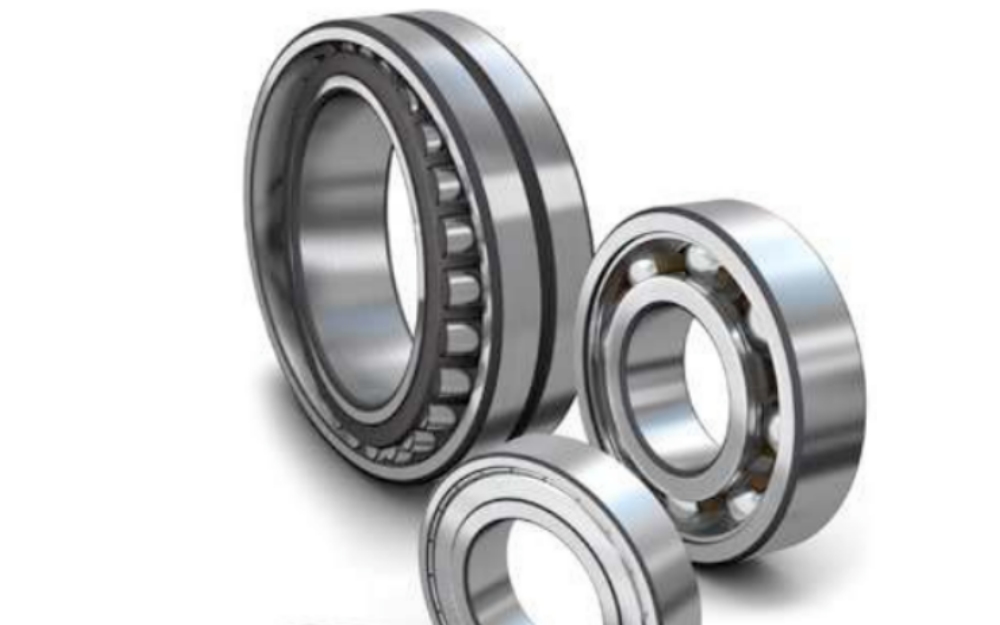
Sealed Bearings
Sealed bearings continue to gain popularity because they offer:
- Better contamination resistance
- Reduced maintenance
- Longer service life
For warehouses seeking low-maintenance operations, sealed bearings are increasingly becoming the standard.
Thin Section Bearings
Used in compact robotic joints where space is limited.
Benefits include:
- Lightweight design
- Precision movement
- Space efficiency
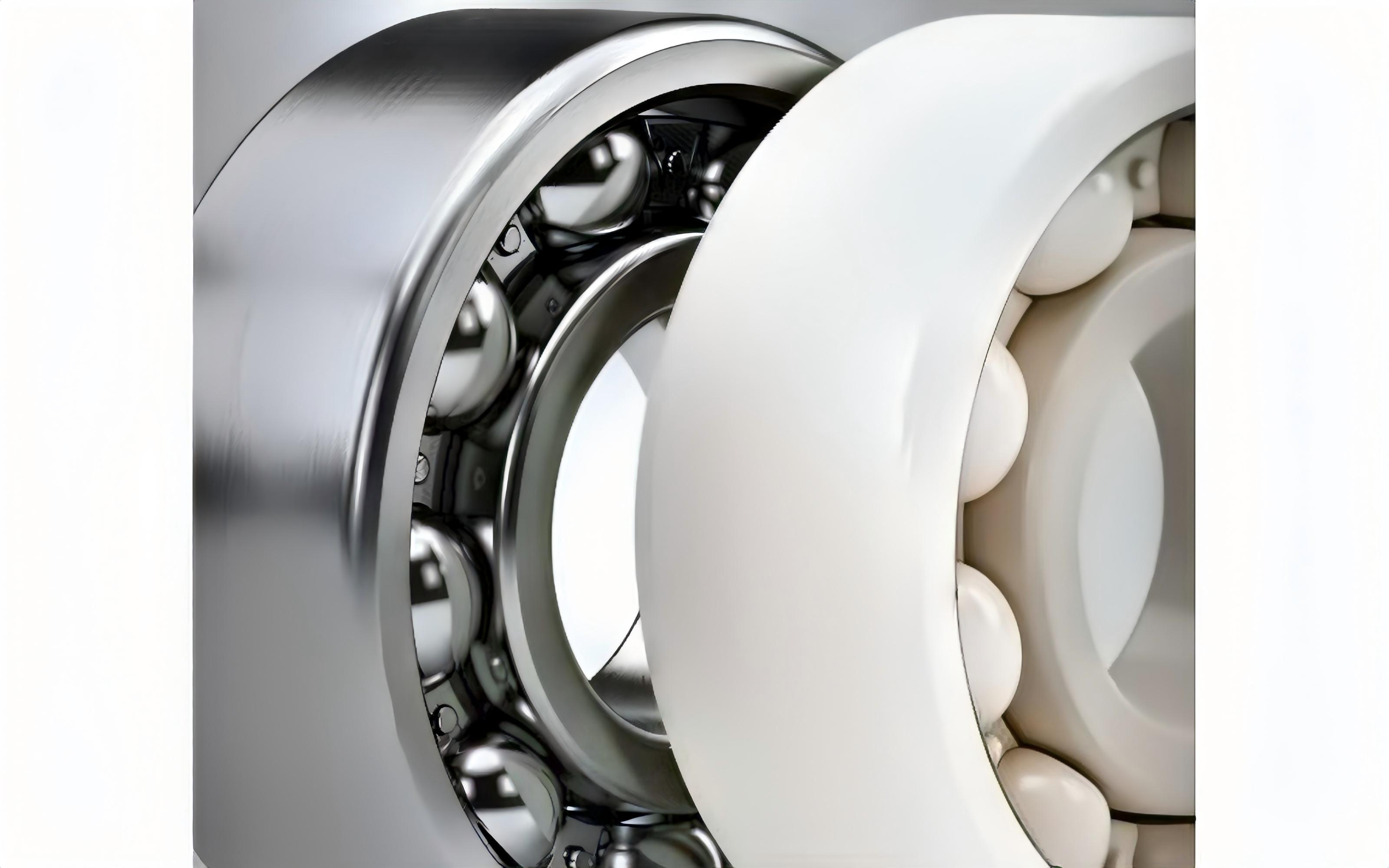
Hybrid Ceramic Bearings
Hybrid bearings combine steel races with ceramic balls.
Advantages include:
- Lower friction
- Higher speed capability
- Improved heat resistance
- Longer lifespan
Although more expensive, hybrid bearings are appearing more frequently in premium warehouse robotics.
The Rise of AMRs Is Changing Bearing Requirements
Five years ago, AGVs dominated warehouse automation.
Today, AMRs are changing the game.
Unlike AGVs that follow fixed paths, AMRs can:
- Navigate dynamically
- Avoid obstacles
- Optimize routes in real time
- Operate collaboratively
This flexibility creates new demands on bearings.
AMRs experience:
- More directional changes
- Increased vibration
- Constant acceleration adjustments
- Higher duty cycles
Bearing manufacturers are responding by developing products specifically optimized for mobile robotics.
Some new designs focus on:
- Lower rolling resistance
- Improved sealing systems
- Lightweight materials
- Enhanced lubrication retention
The warehouse of the future is mobile, intelligent, and always moving.
Its bearings must evolve accordingly.
Predictive Maintenance: Bearings Are Becoming Smart
One of the biggest trends in 2026 is predictive maintenance.
Traditionally, companies replaced bearings after failure or according to a maintenance schedule.
Today, sensors can monitor:
- Temperature
- Vibration
- Noise
- Speed
- Lubrication condition
Artificial intelligence can then identify abnormalities before catastrophic failure occurs.
Imagine receiving this notification:
"Robot #42 wheel bearing expected to fail in 17 days."
That level of visibility is becoming a reality.
Predictive maintenance offers several advantages:
- Reduced downtime
- Lower repair costs
- Improved safety
- Better inventory planning
- Extended equipment life
Smart warehouses increasingly rely on smart maintenance strategies.
And bearings are at the center of that transformation.
Sustainability Is Also Influencing Bearing Design
Warehouse operators are under growing pressure to reduce energy consumption.
Even small efficiency improvements matter when multiplied across thousands of machines.
Low-friction bearings can contribute to:
- Reduced power consumption
- Lower heat generation
- Extended battery life for AMRs
- Smaller carbon footprints
For battery-powered robots, efficiency directly affects productivity.
If better bearings allow an AMR to operate even 5% longer between charges, the impact across an entire fleet becomes significant.
Sustainability is no longer just a marketing buzzword.
It has become an engineering requirement.
How to Choose Bearings for Warehouse Automation
When selecting bearings for warehouse robotics, buyers should consider several factors.
Operating Hours
Will the equipment run:
- One shift?
- Two shifts?
- 24/7?
Continuous operation requires premium solutions.
Environmental Conditions
Evaluate exposure to:
- Dust
- Moisture
- Chemicals
- Temperature fluctuations
Load Capacity
Understand both:
- Static loads
- Dynamic loads
Maintenance Strategy
Ask yourself:
- Is regular lubrication possible?
- Are maintenance teams available?
- Would sealed bearings reduce downtime?
Supplier Reliability
A bearing supplier should provide:
- Technical support
- Consistent quality
- Traceability
- Fast delivery
- Application expertise
The bearing itself is important.
The supplier behind it can be equally critical.
The Future: Bearings Built for Nonstop Warehouses
Experts predict that future warehouses will feature:
- Fully autonomous operations
- AI-controlled inventory systems
- Human-robot collaboration
- Dark warehouses with minimal lighting
- Continuous 24/7 fulfillment
In these environments, bearings will need to deliver:
- Longer life cycles
- Zero-maintenance performance
- Intelligent monitoring capabilities
- Greater energy efficiency
- Improved resistance to contamination
The humble bearing is evolving from a mechanical component into an essential enabler of modern automation.
Without bearings, warehouse robots don't move.
Without warehouse robots, modern logistics slows down.
And when logistics slows down, the entire supply chain feels the impact.
Final Thoughts
Warehouse robots may never sleep, but their bearings are constantly being tested.
As warehouses become faster, smarter, and more autonomous, bearing performance has emerged as a decisive factor in operational success. The next breakthrough in logistics may not come from a new robot design or a more sophisticated AI system.
It may come from a component small enough to fit in the palm of your hand.
Because in 2026, the question isn't whether warehouses will automate.
That has already happened.
The real question is this:
Can the bearings keep up?
 Warehouse Robots Never Sleep—Can Their Bearings Keep Up?
 How Bearing Downtime Can Cost Offshore Platforms Millions
 Hybrid Bearings vs Steel Bearings: Which One Wins in 2026?
 Why Are More Factories Switching to Sealed Bearings Instead of Open Bearings in 2026?